
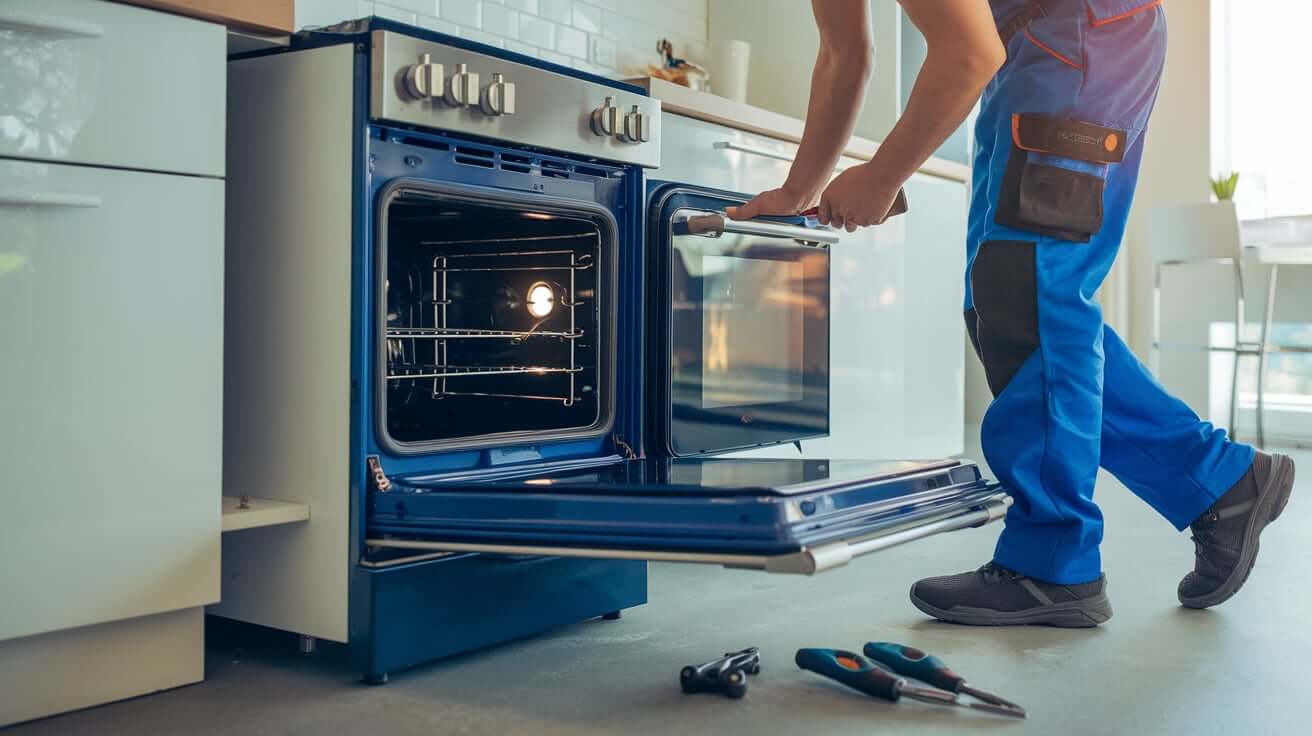
Mantorville, Dodge County seat
Repairing appliances in historic Mantorville homes
Mantorville is the Dodge County seat and one of the most historic small towns in Minnesota, with a downtown of 1800s limestone buildings listed on the National Register of Historic Places. It is about 18 miles from Rochester via US 14 and MN 57. Mantorville's homes range from historic houses to newer builds, and each type has its own appliance challenges.
Appliances in historic homes
Older homes were not designed for modern appliances. Kitchens may have limited outlets, older wiring and narrow doorways. Laundry is often in a basement with low ceilings and stone foundation walls. These conditions affect how appliances run and how we service them.
- Older circuits may not handle a modern range or dryer without upgrades; flickering lights or warm outlets need an electrician
- Narrow doors and stairs can make moving a refrigerator difficult, so we plan repairs in place whenever possible
- Stone basements are often damp, which corrodes appliance cabinets and electrical connections
- Older plumbing may lack proper standpipe heights or air gaps for washers and dishwashers
Drain setup in older basements
Washers need a standpipe at the right height, usually between about 30 and 96 inches depending on the model, with the hose inserted no more than about eight inches. If the standpipe is too short, the washer can siphon water out during fill. If the hose is pushed too far in, it can create a seal and siphon too. Both cause poor washing and drain errors. In many older basements we find hoses draped into laundry tubs or floor drains, which can work but needs to be secured so the hose does not slip during drain.
What we fix most in Mantorville
| Appliance | Most common repair |
|---|---|
| Refrigerator | Evaporator and condenser fans, defrost parts |
| Range | Igniters on gas, elements and switches on electric |
| Washer | Drain pumps, lid switches, couplers |
| Dryer | Belts, rollers, elements, thermal fuses |
| Dishwasher | Drain pumps, latches, inlet valves |
Repairing instead of replacing
Replacing an appliance in a historic home is not always simple. A new refrigerator may be taller or deeper than the opening. A new range may need a different outlet or gas connection. That makes repair more attractive. We will tell you if a repair is a good investment or if the appliance is near the end of its life.
Winter in older homes
Drafty older homes can make kitchen and basement temperatures swing. Refrigerators in cold kitchens and freezers in cold basements can behave oddly. A refrigerator in a room below about 55°F may not run enough to keep its freezer cold. Dryers vented through old foundation walls may have long or crushed vent runs. If you notice changes when the weather turns cold, let us know when you call.
Safety notes
Part of our Dodge County route
Mantorville is between Kasson and Dodge Center on our western route. See our Dodge County page for the full area. Same day service is often available if you call in the morning.
Range and dryer cords: three prong and four prong
Older homes in Mantorville often have three prong outlets for electric ranges and dryers, while newer installations use four prong outlets with a separate ground. New appliances can usually be fitted with either cord, but the cord must match the outlet and be installed correctly, including the ground strap on three wire connections. Never modify a plug to fit.
Old gas connectors
Gas ranges and dryers connect to the house line with a flexible connector. Very old uncoated brass connectors can crack and leak and should be replaced. If your gas appliance has been in place for decades, have the connector inspected during any repair. Connectors should never be reused when an appliance is replaced.
Carbon monoxide safety
Gas ranges, dryers and water heaters can produce carbon monoxide if they burn poorly or are vented incorrectly. Install CO alarms on every level of the home and near sleeping areas, test them monthly and replace them as the manufacturer recommends.
Dishwashers that do not dry
Many modern dishwashers dry by condensation rather than a heating element, so plastic items often stay wet. That is normal. Using rinse aid makes a big difference, because it helps water sheet off. If glass and metal items stay wet, check that the rinse aid dispenser is full and that the heated dry or extra dry option is on if your model has it. If it still does not dry, the heating element, vent fan or rinse aid dispenser may need attention.